
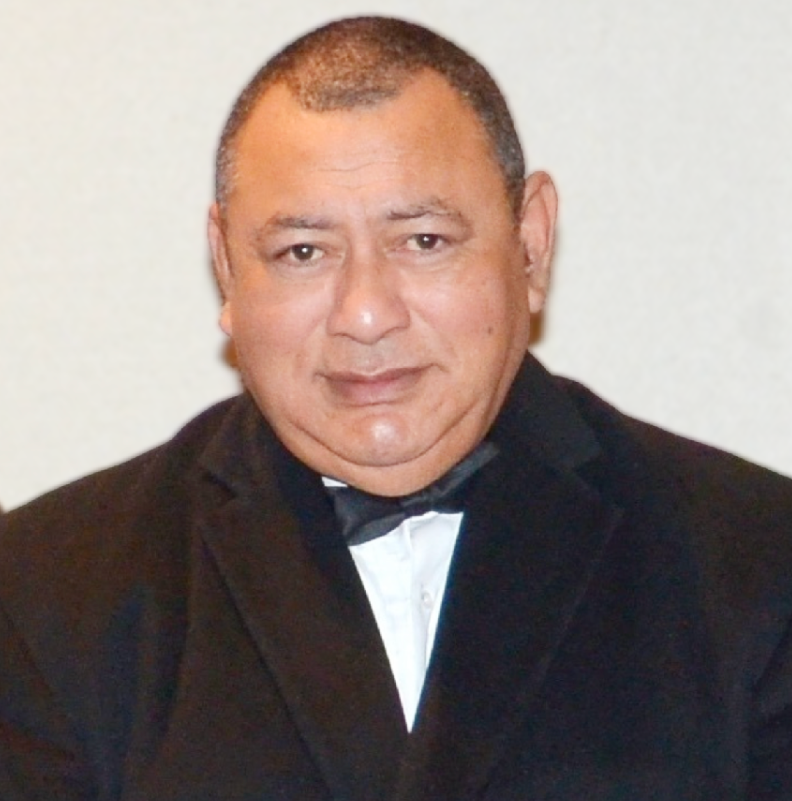
A monumental study by Tongan scholar Dr Siaosi ´Ilaiu has shed new light on the historical shifts in Tongan political systems between the 14th and 19th centuries, challenging long-held narratives about power and authority in the Pacific Kingdom.
In his doctoral thesis, “Paradigm Shifts in Ancient Kingship Traditions in Tonga,” Dr Ilaiu offers a detailed anthropological and historical examination of the evolution of governance in Tonga from bipartite to tripartite systems, focusing particularly on the Hau (kingship) between 1350 and 1875 AD.
Reassessing Indigenous Power
Through a detailed analysis of oral traditions, archival sources, and genealogical records, Dr. ´Ilaiu identifies critical paradigm shifts, including the establishment of new noble orders, the restructuring of power between sacred and secular roles, and the introduction of written constitutional governance under Tupou I.
His research challenges the notion that Tonga’s centralised monarchy has always existed in its current form. Instead, the thesis traces a historical process of negotiation and adaptation, shaped by internal dynamics and external pressures, including European contact.
“Kingship in Tonga is not static,” Dr. ´Ilaiu argues. “It has been strategically reconfigured over time to meet evolving social, political, and spiritual needs.”
Bipartite vs Tripartite Systems
Studies draws a clear distinction between two governance systems:
- Bipartite system: Characterised by dual leadership between the Tu’i Tonga and temporal chiefs, with spiritual and political roles held separately.
- Tripartite system: Introduced new royal lines, Tu´i Ha´atakalaua and later Tu´i Kanokupolu, which blurred and concentrated power, ultimately leading to the modern monarchy.
This tripartite transformation laid the groundwork for Tupou I´s unification of Tonga in the 19th century and the creation of the 1875 Constitution.
Cultural and Political Significance
The thesis also examines how cosmology, rank, and kinship have shaped Tongan kingship. Dr Ilaiu argues that the manipulation and reinterpretation of genealogies were crucial to political ascendancy and legitimacy.
His work contributes not only to Pacific historiography but also to current debates in Tonga around constitutional reform, noble rights, and the role of the monarchy in a modern nation.
A Tool for Understanding Today´s Tonga
As Tonga navigates contemporary questions of political reform and identity, Dr ´Ilaiu´s thesis provides a crucial academic resource. It offers a richly layered account of how tradition has never been frozen in time but rather is constantly renegotiated by leaders, families, and communities.
History, in this thesis, is not just a record; it is a strategy of survival and continuity.
